 admin
adminNorway Unskilled Work Visa for Africans
The Norway unskilled work visa represents one of the most regulated but legitimate pathways for African nationals seeking lawful employment in Europe without advanced education or professional qualifications. Unlike informal migration routes that expose migrants to exploitation and deportation, Norway’s system is structured, transparent, and governed by strict labor and immigration laws.
In 2026, Norway continues to experience labor shortages in physically demanding and low-interest sectors such as agriculture, fisheries, cleaning services, food processing, warehousing, construction support roles, and certain factory operations. These shortages have created limited but real opportunities for Africans to obtain unskilled work permits, provided all legal requirements are met.
This guide explains, in depth, how the Norway unskilled work visa operates, who qualifies, what jobs are available, how much workers earn, and what Africans must realistically expect when pursuing this pathway.
In Norway, the term unskilled work does not mean undocumented or informal labor. It refers to jobs that:
-
Do not require university education
-
Do not require licensed professional certification
-
Rely primarily on physical ability and basic training
However, even unskilled jobs in Norway are protected by labor laws, union agreements, and immigration regulations.
Common characteristics of unskilled jobs in Norway include:
-
Formal employment contracts
-
Fixed wage standards
-
Regulated working hours
-
Mandatory tax compliance
-
Strong workplace safety protections
Africans entering Norway under unskilled work permits must therefore meet both employment and immigration standards.
Types of Unskilled Jobs Available to Africans in Norway
Unskilled job opportunities in Norway are sector-specific and seasonal in some cases. Africans are most commonly recruited into the following categories.
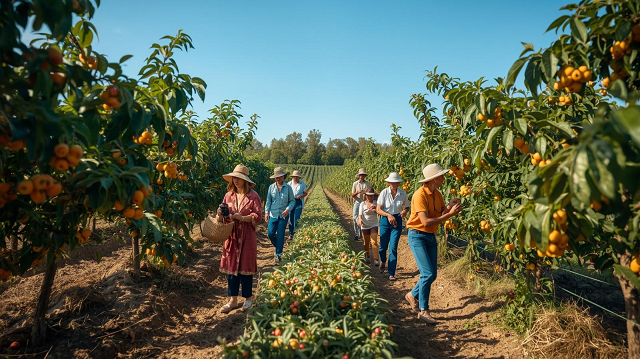
Agricultural and Farm Work
This is the most accessible unskilled sector for Africans.
Typical roles include:
-
Fruit and vegetable picking
-
Greenhouse work
-
Livestock assistance
-
Dairy farm support
These jobs are usually seasonal and tied to harvest cycles.
Fishery and Seafood Processing Jobs
Norway’s fishing industry relies heavily on manual labor.
Common roles include:
-
Packaging and freezing
-
Factory line work in seafood plants
These jobs may be seasonal or year-round depending on location.
Factory and Manufacturing Support Roles
Unskilled factory jobs include:
-
Assembly line work
-
Packaging and sorting
-
Machine feeding and monitoring
-
Cleaning and maintenance support
These roles often pay higher wages than farm work.
Norway Unskilled Work Visa for Africans
Cleaning and Facility Maintenance Jobs
Roles include:
-
Industrial cleaning
-
Hotel and accommodation cleaning
-
Office and facility maintenance
While physically demanding, these jobs are stable and regulated.
Warehouse and Logistics Support
Warehouse roles may involve:
-
Sorting goods
-
Loading and unloading
-
Packing and labeling
-
Inventory support
These roles are often shift-based.
Construction Support and Laboring Jobs
Unskilled construction roles include:
-
Site cleaning
-
Material carrying
-
Basic assistance to skilled trades
These jobs require physical strength and safety awareness.
Why Norway Allows Unskilled Foreign Workers
Norway’s labor shortages are structural rather than temporary.
Key reasons include:
-
Aging population
-
High education levels reducing interest in manual jobs
-
Rural depopulation
-
Physically demanding working conditions
-
Seasonal labor demands
As a result, employers are permitted to recruit non-European workers when local and EEA labor is insufficient.
Eligibility Criteria for Africans Applying for Unskilled Work Visas
Eligibility is strict and non-negotiable.
Basic Eligibility Requirements
-
African nationality
-
Valid international passport
-
Genuine job offer from a Norwegian employer
-
Physical fitness for manual labor
-
Clean criminal record
-
Willingness to comply with Norwegian labor laws
Educational qualifications are generally not required.
Age and Physical Fitness Requirements
Most employers prefer applicants between:
-
18 and 50 years
Applicants must be able to:
-
Work long hours
-
Perform repetitive tasks
-
Operate safely in cold environments
-
Follow safety instructions
Medical fitness certificates are often mandatory.
Norway Unskilled Work Visa for Africans
Language Requirements for Unskilled Jobs
Norwegian language proficiency is not required for most unskilled roles.
However:
-
Basic English comprehension is essential
-
Workers must understand safety rules
-
Ability to follow instructions improves job retention
Applicants without basic English face higher rejection risk.
Expected Salary for Unskilled Workers in Norway (2026)
Even unskilled workers in Norway earn wages that are high by global standards.
Average Hourly Wages by Sector
-
Farm and agricultural work: USD 15 – 19 per hour
-
Fish processing and factories: USD 18 – 24 per hour
-
Cleaning and facility jobs: USD 17 – 22 per hour
-
Warehouse and logistics: USD 18 – 23 per hour
-
Construction laboring: USD 19 – 25 per hour
Average Monthly Earnings
-
Gross monthly income: USD 2,300 – 4,000
-
Net income after tax: USD 1,600 – 2,900
Actual earnings depend on:
-
Hours worked
-
Overtime availability
-
Accommodation deductions
-
Tax bracket
Working Hours and Employment Conditions
Unskilled jobs follow regulated schedules.
Typical conditions include:
-
8-hour workdays
-
5–6 working days per week
-
Overtime during peak periods
-
Mandatory rest periods
Excessive working hours are illegal.
Accommodation and Living Arrangements
Many employers assist unskilled foreign workers with housing.
Common Arrangements
-
Employer-provided shared housing
-
Subsidized rent
-
Wage deductions at regulated rates
Housing must meet Norwegian safety and hygiene standards.
Visa Types Used for Unskilled Work in Norway
Africans typically apply under:
-
Seasonal Work Permit (agriculture, fisheries)
-
Temporary Work Permit (factories, cleaning, warehouses)
Key features:
-
Employer-specific
-
Time-limited
-
Renewable in some cases
-
No automatic family reunification
Limitations of the Unskilled Work Visa
Africans must understand the restrictions clearly.
Limitations include:
-
No immediate permanent residence
-
No automatic job change rights
-
Temporary duration
-
Strict exit requirements after contract expiry
Violations lead to bans.
Common Challenges Africans Face
-
Cold climate adaptation
-
Physical exhaustion
-
Cultural differences
-
High living costs
-
Strict workplace discipline
Preparation reduces these challenges.
Professional Advisory for African Applicants
The Norway unskilled work visa should be approached as a legal economic opportunity, not a migration shortcut. Africans who succeed are those who:
-
Secure genuine job offers
-
Follow immigration rules strictly
-
Work professionally
-
Return home legally when required
Step-by-Step Application Process for Norway Unskilled Work Visa (Africans)
The Norway unskilled work visa process is employer-driven. Africans cannot apply independently without a legitimate job offer. Understanding this sequence is critical to avoiding fraud and visa refusal.
Step 1: Securing a Genuine Job Offer
The foundation of the visa process is a written employment offer from a Norwegian employer legally registered in Norway.
A valid job offer must include:
-
Employer’s registered business details
-
Salary and working hours
-
Duration of employment
-
Confirmation that the position cannot be filled locally
Without this document, no application can proceed.
Step 2: Employer Approval and Labour Assessment
Before hiring a non-European worker, the employer must demonstrate:
-
That no suitable Norwegian or EEA worker is available
-
That wages meet industry standards
-
That working conditions comply with labor laws
Only after this assessment can the employer sponsor a foreign worker.
Step 3: Gathering Required Documents
African applicants must prepare the following documents carefully.
Mandatory documents include:
-
Valid international passport
-
Signed job offer or contract
-
Proof of accommodation (or employer housing confirmation)
-
Medical fitness certificate
-
Police clearance certificate
-
Passport photographs
-
Completed application forms
Documents must be accurate and consistent.
Step 4: Visa Application Submission
Applications are submitted through:
-
Norwegian embassy or visa center in the applicant’s country
Biometric data is collected at this stage.
Step 5: Processing and Decision
Processing timelines vary:
-
Seasonal permits: 1–3 months
-
Temporary work permits: 2–4 months
Approval depends on:
-
Employer credibility
-
Document accuracy
-
Applicant background
Visa Duration and Renewal Options
Unskilled work permits are usually issued for:
-
3 to 12 months
Renewal is possible if:
-
Employer extends the contract
-
Worker complied with visa conditions
-
Employment remains lawful
Renewals are not automatic.
Cost of Living vs Savings for Unskilled Workers in Norway
Norway has a high cost of living. Africans must understand financial realities clearly.
Average Monthly Living Costs
-
Accommodation: USD 600 – 1,200
-
Food and groceries: USD 350 – 500
-
Transportation: USD 80 – 150
-
Utilities and internet: USD 100 – 200
Total monthly expenses: USD 1,200 – 2,000
Potential Monthly Savings
-
Low-spending workers may save USD 500 – 1,200 monthly
-
Overtime significantly increases savings
Savings depend on discipline.
Pathways After an Unskilled Work Visa
While unskilled permits do not directly lead to permanent residence, some opportunities exist.
Possible outcomes include:
-
Repeated seasonal employment
-
Transition to skilled roles after training
-
Return migration with capital
Illegal overstaying destroys future prospects.
Common Mistakes Africans Must Avoid
-
Paying agents without verified employers
-
Submitting forged documents
-
Overstaying visas
-
Changing employers illegally
-
Ignoring tax obligations
These mistakes result in bans.
Expected Salary Summary for Africans (2026)
To reinforce clarity:
-
Lowest average monthly net income: USD 1,600
-
Upper average monthly net income: USD 2,900
-
Annual earning potential: USD 20,000 – 35,000
Overtime and night shifts raise earnings.
Norway Unskilled Work Visa for Africans
Frequently Asked Questions (FAQs)
Can Africans apply without a job offer?
No. A job offer is mandatory.
Is education required?
No formal education is required for unskilled roles.
Can family members join immediately?
No. Unskilled permits do not allow family reunification.
Is English mandatory?
Basic English is strongly recommended.
Can I change jobs in Norway?
Not without a new approved permit.
Is accommodation provided?
Often yes, but not guaranteed.
Can I become permanent resident?
Not directly through unskilled work.
Five Realistic African Worker Testimonies
Testimony 1: Agricultural Worker from Nigeria
“I worked on a strawberry farm for six months. The work was hard, but legal. I saved more than I could in Nigeria.”
Testimony 2: Fish Factory Worker from Ghana
“The cold was difficult, but overtime helped my income. I followed the rules and returned home legally.”
Testimony 3: Warehouse Worker from Kenya
“My employer provided accommodation. Discipline is strict, but payment is fair.”
Testimony 4: Cleaning Staff from Cameroon
“I had no degree. I worked night shifts and saved enough to start a business back home.”
Testimony 5: Construction Helper from Senegal
“Norway is not easy money. But it is honest work if you are prepared.”
Professional Advisory for Africans Considering Norway
Norway is not a destination for shortcuts. Africans who succeed:
-
Respect the law
-
Work professionally
-
Budget carefully
-
Avoid illegal stay
Those who misuse the system face permanent exclusion.
Final Professional Conclusion
The Norway unskilled work visa for Africans in 2026 remains a limited but legitimate pathway for lawful employment in Europe. It offers regulated wages, worker protection, and temporary economic advancement rather than permanent migration.
Africans who approach this opportunity with realistic expectations, legal compliance, and physical preparedness can benefit meaningfully. Those seeking shortcuts, permanent settlement through unskilled work, or undocumented pathways should reconsider, as Norway’s system is unforgiving toward violations.

 admin
admin