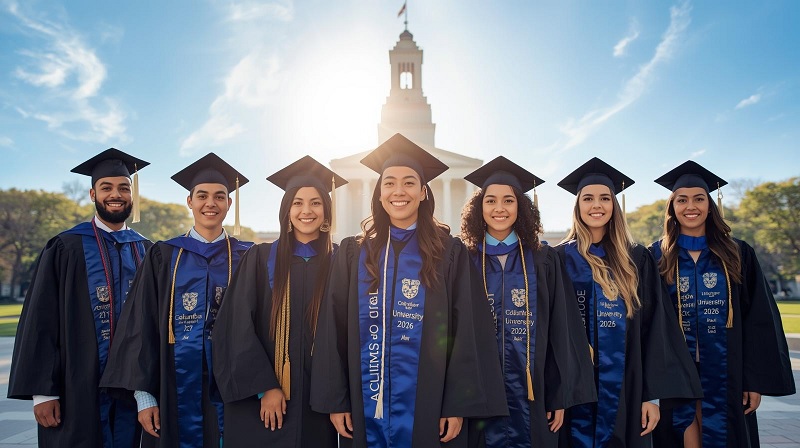

Pace University Admissions 2026
Pace University is a private institution in the United States known for its strong emphasis on career readiness, experiential learning, and close integration with industry and professional networks. With campuses in New York City and Westchester County, Pace University attracts applicants seeking academic programs that combine theory with practical exposure. For the 2026 admissions cycle, interest in Pace University admissions continues to grow among students who value employability, internships, and access to real-world opportunities.
This guide is written strictly for informational purposes. It is designed to help readers understand admissions opportunities and services available at Pace University, how the admissions process works, what requirements apply, and how applicants can prepare effectively for the 2026 academic year. https://www.pace.edu/admission-and-aid/undergraduate-admission
Overview of Pace University
Institutional Profile
Pace University is a private, non-profit university offering undergraduate, graduate, and professional programs across a wide range of disciplines. The institution is particularly recognized for:
-
Business and management education
-
Law and legal studies
-
Health sciences and nursing
-
Performing arts
-
Computer science and technology
-
Education and social sciences
Pace University’s academic model emphasizes applied learning, internships, and professional engagement alongside classroom instruction.
Campuses and Learning Environment
Pace University operates two primary campuses:
-
A metropolitan campus located in New York City
-
A suburban campus in Westchester County
Each campus offers distinct learning environments, allowing students to choose settings aligned with their academic and lifestyle preferences.
Admissions Philosophy at Pace University
Access-Oriented and Career-Focused Admissions
Pace University applies an access-oriented admissions philosophy that balances academic standards with a strong focus on student potential, career goals, and readiness for professional development. Admissions decisions are guided by the belief that students thrive when academic learning is connected to practical outcomes.
Key admissions priorities include:
-
Academic preparation
-
Motivation and clarity of goals
-
Alignment with program objectives
-
Potential for professional growth
Holistic Application Review
Admissions officers evaluate applications holistically, considering:
-
Academic records
-
Personal statements
-
Extracurricular involvement
-
Leadership and service experiences
-
Contextual factors affecting academic performance
This approach allows Pace University to support students from diverse educational and personal backgrounds.
Undergraduate Admissions at Pace University
Categories of Undergraduate Applicants
Pace University admits several undergraduate applicant types, including:
-
First-year (freshman) students
-
International students
-
Adult and non-traditional learners
Each category has tailored requirements, but all applicants are evaluated using consistent standards.
General Eligibility Requirements
To be eligible for undergraduate admission, applicants must:
-
Complete a recognized secondary school or equivalent qualification
-
Demonstrate readiness for college-level coursework
-
Meet program-specific prerequisites where applicable
Completion of a college-preparatory curriculum is strongly recommended.
Academic Expectations
While Pace University does not enforce rigid minimum grade cut-offs, successful applicants typically demonstrate:
-
Satisfactory academic performance
-
Completion of core academic subjects
-
Evidence of academic consistency or improvement
Admissions officers consider academic performance within the context of the applicant’s school environment.
Standardized Testing Policy
Test-Optional Admissions
- For the 2026 admissions cycle, Pace University continues its test-optional admissions policy for most undergraduate programs. This means:
-
Standardized test scores are not required
-
Applicants may choose whether to submit scores
-
Applications without test scores are reviewed fully
This policy aims to reduce barriers and promote equitable access.
When Test Scores May Be Considered
Applicants who submit test scores may use them to:
-
Strengthen academic profiles
-
Support placement or scholarship consideration
However, test scores are not the primary determinant of admission decisions.
Application Pathways and Timelines
Application Options
Pace University offers multiple application timelines to accommodate different applicant needs, including early and regular application options. Each option has:
-
Defined submission deadlines
-
Clear decision notification periods
Applicants should select timelines that align with their preparedness and academic records.
Importance of Early Planning
Applying early may provide advantages such as:
-
Earlier admission decisions
-
Better access to housing and financial aid
-
Improved planning for enrollment
Applicants should ensure all materials are complete before submission.
Application Components and Evaluation Criteria
Academic Transcripts
Academic transcripts are a core component of the admissions review. Evaluators assess:
-
Overall academic performance
-
Course selection and rigor
-
Trends in academic achievement
Strong performance in final years of secondary education is particularly important.
Personal Statement or Essay
Personal statements allow applicants to explain:
-
Academic interests
-
Career goals
Effective essays are clear, focused, and aligned with the applicant’s intended program.
Extracurricular Activities and Leadership
Admissions officers consider involvement beyond academics, including:
-
Student organizations
-
Community service
-
Employment or internships
-
Creative, athletic, or leadership activities
Depth of engagement is valued more than quantity.
Program Competitiveness and Selectivity
General Selectivity
Pace University is considered moderately selective, with admissions standards varying by program and campus. Meeting eligibility requirements does not guarantee admission, especially for high-demand programs.
Highly Competitive Programs
Some programs attract stronger competition due to capacity and demand, including:
-
Business and finance
-
Nursing and health sciences
-
Performing arts
-
Computer science and technology
Applicants to these programs are expected to demonstrate stronger academic preparation and clear commitment.
Transfer Admissions at Pace University
Transfer Applicant Evaluation
Transfer applicants are evaluated based on:
-
Academic performance at previous institutions
-
Relevance of completed coursework
-
Credit transfer compatibility
Applicants with strong college-level performance are well-positioned.
Transfer Opportunities and Support
Pace University supports transfer students through:
-
Credit evaluation services
-
Academic advising
-
Orientation programs
Clear documentation improves transfer outcomes.
International Student Admissions Overview
Academic Credential Assessment
International applicants must present academic credentials equivalent to U.S. secondary or undergraduate education, depending on level. Evaluations consider:
-
Curriculum content
-
Academic rigor
-
Grading systems
Official documentation and translations are required.
English Language Proficiency
Applicants whose prior education was not conducted in English must demonstrate English language proficiency through approved methods. Language readiness is essential for academic success.
Tuition, Fees, and Cost of Attendance (2026)
Undergraduate Cost Structure
Cost of attendance typically includes:
-
Tuition per academic year
-
Housing and meal plans (if applicable)
-
Books and personal expenses
Costs vary by campus, program, and housing choice.
Graduate Tuition and Program Costs
Graduate tuition is usually charged per credit hour and varies by program. Professional programs may have higher tuition due to specialized instruction and facilities.
Financial Planning Considerations
Applicants are encouraged to:
-
Review cost estimates early
-
Budget for multi-year enrollment
-
Consider living expenses
Early planning supports academic continuity.
Scholarships and Financial Aid Opportunities
Merit-Based Scholarships
Pace University offers merit-based scholarships to qualified students based on:
-
Academic achievement
-
Leadership potential
-
Program alignment
Scholarships are competitive and may have limited availability.
Need-Based Financial Aid
Eligible students may access:
-
Institutional grants
-
Work-study opportunities
Financial aid decisions consider financial need and enrollment status.
External Funding Options
Students may also explore:
-
Private scholarships
-
Employer-sponsored education benefits
Combining funding sources can reduce overall cost.
Step-by-Step Application Process
Step 1: Program Research
Applicants should:
-
Identify programs aligned with career goals
-
Review eligibility and prerequisites
-
Understand competitiveness
Step 2: Application Preparation
This includes:
-
Gathering academic records
-
Writing personal statements
-
Preparing supporting documents
Step 3: Application Submission
Applicants must:
-
Complete applications accurately
-
Submit all required documents
-
Meet deadlines
Step 4: Application Review
Admissions officers evaluate:
-
Academic readiness
-
Program fit
-
Personal motivation
Some programs may request additional information.
Step 5: Admission Decision and Enrollment
Admitted applicants receive:
-
Admission offers
-
Enrollment instructions
-
Acceptance deadlines
Timely response is essential.
Benefits of Studying at Pace University
Career-Oriented Education
Students benefit from:
-
Internship and experiential learning opportunities
-
Industry-connected faculty
-
Career development services
Location-Based Advantages
The university’s locations provide access to:
-
Professional networks
-
Employment opportunities
-
Cultural and academic resources
Student Support Services
Pace University offers:
-
Academic advising
-
Career counseling
These services support retention and graduation.
Challenges Applicants Should Consider
Financial Commitment
As a private institution, cost may be a challenge. Planning and funding strategies are essential.
Competitive Programs
High-demand programs may have limited capacity and higher standards.
Common Mistakes to Avoid
Applicants should avoid:
-
Submitting incomplete applications
-
Missing deadlines
-
Writing unfocused personal statements
-
Ignoring program-specific requirements
Practical Tips and Expert Guidance
Applicants are advised to:
-
Apply early when possible
-
Demonstrate clear career goals
-
Highlight relevant experiences
-
Prepare financially
Case Scenarios
Case Scenario 1: First-Year Applicant
A student with average grades but strong leadership and a clear career-focused essay may receive favorable consideration.
Case Scenario 2: Transfer Applicant
A transfer student with strong college performance and relevant coursework may gain admission smoothly.
Final Summary: Pace University Admissions 2026
Pace University admissions for 2026 are:
-
Holistic and access-oriented
-
Career-focused and opportunity-driven
-
Supportive of diverse academic backgrounds
Applicants who understand requirements, prepare thoroughly, and align their goals with Pace University’s applied learning mission are well-positioned to benefit from the opportunities and services the university provides.


