 Casey McDowel
Albania farm jobs for African immigrants 2026
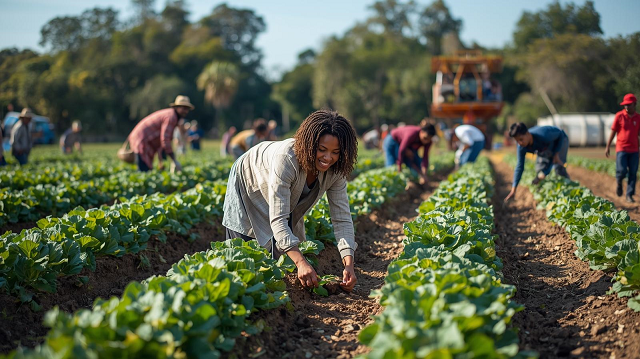
Albania is emerging as a prominent destination for African immigrants seeking farm jobs in 2026. The combination of labor shortages in agriculture, increasing seasonal demand, and growing opportunities in rural farming communities makes Albania attractive to job seekers who may not have formal education or professional experience.
Farm jobs in Albania offer:
-
Legal employment pathways with proper work permits
-
Accommodation options for seasonal workers
-
Exposure to European work experience
-
Opportunities to save and gain transferable skills
This article explores eligibility, job types, wages, visa requirements, living conditions, and long-term prospects for African farm workers in Albania.
Why African Immigrants Are Choosing Albania for Farm Work
Labor Demand in Agriculture
Albania faces a consistent shortage of agricultural labor due to:
-
Youth migration to Western Europe
-
Declining local workforce in rural areas
-
Expansion in commercial farming, greenhouses, and organic produce
African immigrants are increasingly filling these gaps.
Lower Entry Barriers Compared to Western Europe
For African job seekers:
-
Albania does not require advanced degrees or certifications for farm work
-
Seasonal visa sponsorship is available
-
Basic language skills are sufficient
This accessibility differentiates Albania from countries like Germany, France, or Italy.
Types of Farm Jobs Available to African Immigrants
Crop Farming and Harvesting
Jobs include:
-
Planting and harvesting vegetables, fruits, and cereals
-
Greenhouse assistance
-
Irrigation support
-
Sorting and packaging crops
These roles are seasonal or year-round, depending on crop cycles.
Livestock and Animal Care
Farm roles in livestock include:
-
Feeding and caring for cattle, sheep, goats, and poultry
-
Cleaning barns and animal enclosures
-
Assisting veterinarians or farm supervisors
Physical stamina and attention to animal welfare are essential.
Farm Maintenance and Labor
Other unskilled farm roles:
-
Irrigation and field maintenance
-
Equipment cleaning
-
Storage and warehouse support
-
Manual labor for soil preparation
These jobs require no formal education, only reliability and willingness to work.
Albania farm jobs for African immigrants 2026
Specialized Seasonal Jobs
During peak periods, farms hire:
-
Fruit pickers for berries, apples, and cherries
-
Harvest workers for olives and grapes
-
Packing and processing assistants
African immigrants often fill these roles due to flexibility and availability.
Eligibility Requirements for African Farm Workers
To work legally in Albania, Africans typically must:
-
Be at least 18 years old
-
Possess a valid passport
-
Have a job offer from an Albanian farm
-
Meet medical fitness requirements
-
Have no serious criminal record
Some employers may request basic experience, but many are willing to train unskilled workers.
Visa and Work Permit Process for African Farm Workers
Employer-Sponsored Work Visa
Most farm jobs require employer sponsorship. This means:
-
The Albanian farm employer submits a work permit application on your behalf
-
You apply for a visa using employer documents
-
You receive legal authorization to work and stay
Seasonal Work Permit
For short-term agricultural work:
-
Duration is typically 3–6 months
-
Can be renewed in some cases
-
Linked directly to one farm employer
Temporary Residence Permit
Allows workers to:
-
Stay legally for longer contracts
-
Access limited public services
-
Extend permits upon contract renewal
Required Documents for Farm Jobs in Albania
Africans must prepare:
-
International passport
-
Signed farm employment contract
-
Employer sponsorship letter
-
Police clearance certificate
-
Medical certificate
-
Passport photographs
Incomplete documentation can lead to visa refusal.
Expected Salary for African Farm Workers (2026)
Monthly Salary Range
Salaries depend on role, experience, and season:
-
Crop harvesting: modest monthly wages, often 250–400 USD
-
Livestock care: 300–450 USD per month
-
Greenhouse assistants: 280–420 USD per month
-
Packing and processing: 250–400 USD per month
Weekly and Seasonal Pay Options
Some farms offer:
-
Weekly pay for short-term assignments
-
Daily rates for seasonal fruit picking
Additional Benefits
-
Free or subsidized accommodation
-
Meals or food allowances
-
Transportation to farm sites in rural areas
These benefits enhance overall compensation.
Working Hours and Conditions
-
Standard workweek: 6 days, 8–10 hours per day
-
Peak season: overtime often required
-
Physical labor is common, particularly in harvesting and livestock care
-
Indoor greenhouse work may be less physically demanding
Africans should assess workload vs. pay before accepting jobs.
Accommodation and Living Costs for Farm Workers
On-Farm Housing
Many farms provide:
-
Shared dormitories
-
Meals included in seasonal contracts
-
Basic hygiene facilities
Independent Living
-
Renting in nearby towns is possible but more expensive
-
Estimated rent for a room: 100–150 USD/month
-
Cost of food: 80–120 USD/month
Living modestly allows for some savings, even for unskilled workers.
Challenges African Immigrants May Face
-
Language barriers (Albanian is often required for communication with locals)
-
Cultural adjustment in rural areas
-
Physically demanding labor
-
Risk of exploitative agents
-
Limited access to healthcare without proper permits
Why Legal Employment Matters
Working without a permit exposes African workers to:
-
Deportation
-
Fines and penalties
-
Exploitation and underpayment
-
Lack of legal recourse
Employer sponsorship ensures legal protection.
Albania farm jobs for African immigrants 2026
Step-by-Step Guide to Securing Farm Jobs
-
Identify legitimate farms in Albania
-
Secure a written job offer specifying salary, role, and contract length
-
Employer applies for work authorization
-
Submit visa and work permit application with correct documentation
-
Travel and register upon arrival for legal employment
Long-Term Opportunities for African Farm Workers in Albania
Contract Renewal and Seasonal Continuity
Africans working in Albanian farms may:
-
Renew seasonal contracts annually
-
Move from short-term harvest work to longer-term positions
-
Gain experience to qualify for supervisory farm roles
Career Growth and Skills Acquisition
Working on farms offers:
-
Knowledge of modern agricultural practices
-
Basic machinery handling
-
Crop management and livestock care skills
-
Exposure to European labor standards
These skills can improve employability across Europe.
Expected Salary Breakdown by Role and Season (2026)
| Role | Monthly Salary (USD) | Weekly Pay (USD) | Notes |
|---|---|---|---|
| Crop Harvester | 250–400 | 60–100 | Seasonal, may include overtime |
| Livestock Assistant | 300–450 | 70–110 | Includes animal care and barn duties |
| Greenhouse Worker | 280–420 | 65–105 | Indoor work, less physical than field labor |
| Packing & Processing | 250–400 | 60–100 | Packaging, sorting, and storage |
| Farm Maintenance | 280–450 | 65–110 | Irrigation, soil prep, equipment cleaning |
Additional benefits: employer-provided housing, meals, and transport can add $50–$120 per month in value.
Frequently Asked Questions (FAQs)
1. Can Africans get legal work permits for farm jobs in Albania?
Yes, via employer sponsorship or seasonal work permits.
2. Is prior farming experience necessary?
Not always. Many employers train unskilled workers, though prior experience can increase pay.
3. How long can seasonal farm visas last?
Typically 3–6 months, with possible renewal if the employer agrees.
4. Do farm jobs in Albania provide accommodation?
Many do, especially in remote or rural areas. Housing may be shared and basic.
5. Are salaries sufficient to save money?
Yes, modest savings are possible, particularly if accommodation and meals are provided.
6. Can I switch employers while on a sponsored farm visa?
No. Switching employers requires a new work permit application to stay legal.
7. Is Albanian language mandatory for farm jobs?
Not strictly. Basic Albanian is helpful, but many farms communicate in simple terms or English.
8. Can I bring family members?
Family reunification is limited; most seasonal farm permits are single-person.
9. Are there risks of exploitation?
Yes, especially with unverified agents. Always confirm employer legitimacy and contracts.
10. Can farm work in Albania lead to EU opportunities?
Indirectly, yes. Experience may enhance resumes for EU job markets, but Albanian permits do not grant EU mobility.
Albania farm jobs for African immigrants 2026
Five Realistic Testimonies from African Farm Workers
Testimony 1: Nigerian Crop Harvester
“I started harvesting vegetables in northern Albania. The work was physically demanding, but my employer provided housing and meals, and I saved a little each month. Being legal gave me peace of mind.”
Testimony 2: Ghanaian Livestock Assistant
“I cared for goats and sheep on a rural farm. The employer taught me basic animal care. With overtime, I earned enough to send money home.”
Testimony 3: Kenyan Greenhouse Worker
“I worked inside a greenhouse during the winter. It was less physically exhausting than field work, and the consistent monthly salary helped me plan for the next season.”
Testimony 4: Cameroonian Packing Worker
“I sorted and packaged olives. Accommodation was included, which helped me save 50 USD per month. The work experience taught me European farm practices.”
Testimony 5: Ugandan Farm Maintenance Laborer
“I helped with irrigation and soil preparation. The job was tough, but I gained valuable skills and a legal European work record, which may help me in the future.”
Common Mistakes African Immigrants Should Avoid
-
Accepting verbal job offers without documentation
-
Paying agents upfront without verification
-
Working illegally without a permit
-
Overstaying visas or ignoring permit conditions
-
Not learning basic Albanian for safety and communication
Tips for Success in Albanian Farm Jobs
-
Always verify the employer through official channels
-
Maintain all legal documentation
-
Budget carefully, especially if meals and housing are not included
-
Learn basic Albanian phrases
-
Plan for seasonal work cycles
-
Save contacts for future job opportunities
Final Expert Guidance
African immigrants seeking farm jobs in Albania in 2026 should approach the opportunity with:
-
Realistic expectations: Salaries are modest but stable
-
Legal diligence: Ensure visas and contracts are valid
-
Physical preparedness: Many roles require stamina and hard work
-
Long-term planning: Use farm experience as a stepping stone for better opportunities in Albania or Europe
With careful preparation, Albania offers African immigrants legal work, skill-building, and modest earnings in 2026, while providing a platform for career growth and international work experience.


 Casey McDowel